SiaaS: The Dawn of Dual-Owned Infrastructure
Introduction
After two decades of SaaS (software as a service), where clients pay cloud service providers a monthly subscription to access and manage their data, we are on the cusp of one of the biggest shifts in data technology management. This is not down to some recent ground-breaking innovation; rather it is an arrangement of services in the context of data that can now be assembled and made available to clients for significantly less cost, yet as secure as or better than traditional cloud services.
Enter SiaaS
So what makes this arrangement we call 'SiaaS' so unique without re-inventing the wheel? The ultimate reason is the infrastructure that holds the data of a client organisation is owned and controlled by that client, while access to that data via web applications is owned by the service provider.
How is this achieved?
The organisation that the data belongs to creates an account with a hosting provider and purchases a virtual private server (VPS). How much capacity is required depends on how much data and what kind is to be imported. Once the VPS has been acquired, the service provider is given temporary access to install the necessary software — the database and various security packages — including a secure tunnel that gives the service provider's web applications access to the database. After set-up is complete, the temporary pass is terminated and once a unique sub-domain has been allocated by the service provider, the client user is able to access and manage their data.
So what is the cost?
Given the client user takes care of its own data storage by paying for its VPS, that cost is the same rate a service provider would pay for hosting its apps. Metaphorically, that is rather like renting a space to store crops, but benefiting from storage facilities in that space, such as a warehouse that is managed and maintained. Of course, any prudent person would ask how much the web services that give access to the data cost. Our pricing is given on [....] and is significantly less than traditional cloud services because we are not storing any data. Furthermore, there are no egress fees because the servers sit on the same hosting service, therefore, the client benefits from a flat monthly fee.
SiaaS Explained
'Sovereign Infrastructure as a Service' (SiaaS) can be illustrated as having an island that you own, on which you have valuable assets. Being private, it has no public access and the only way it can be reached by someone else is via a bridge, if you allow them to build one.

While your valuable assets are safely stored on the island and well protected from unwelcome guests, you will need essential services so you can use and manage your assets. So you give consent to a third party that provides these services to build a bridge you can use to reach the tools you need.
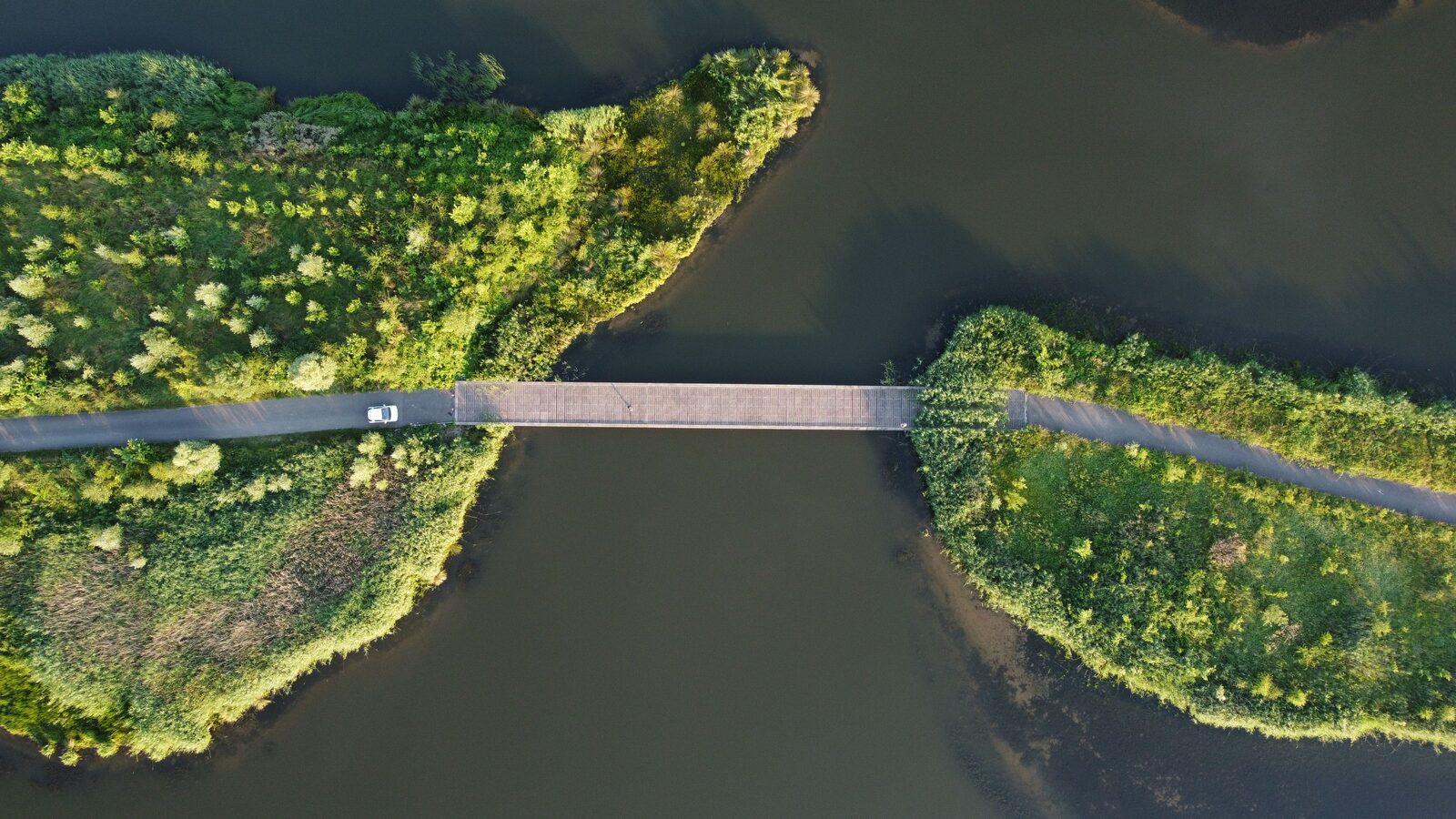
The agreement strictly prohibits any other connection to your island by another party, but you can end it if you wish by giving a couple of months' notice. Thereafter you can terminate the link.
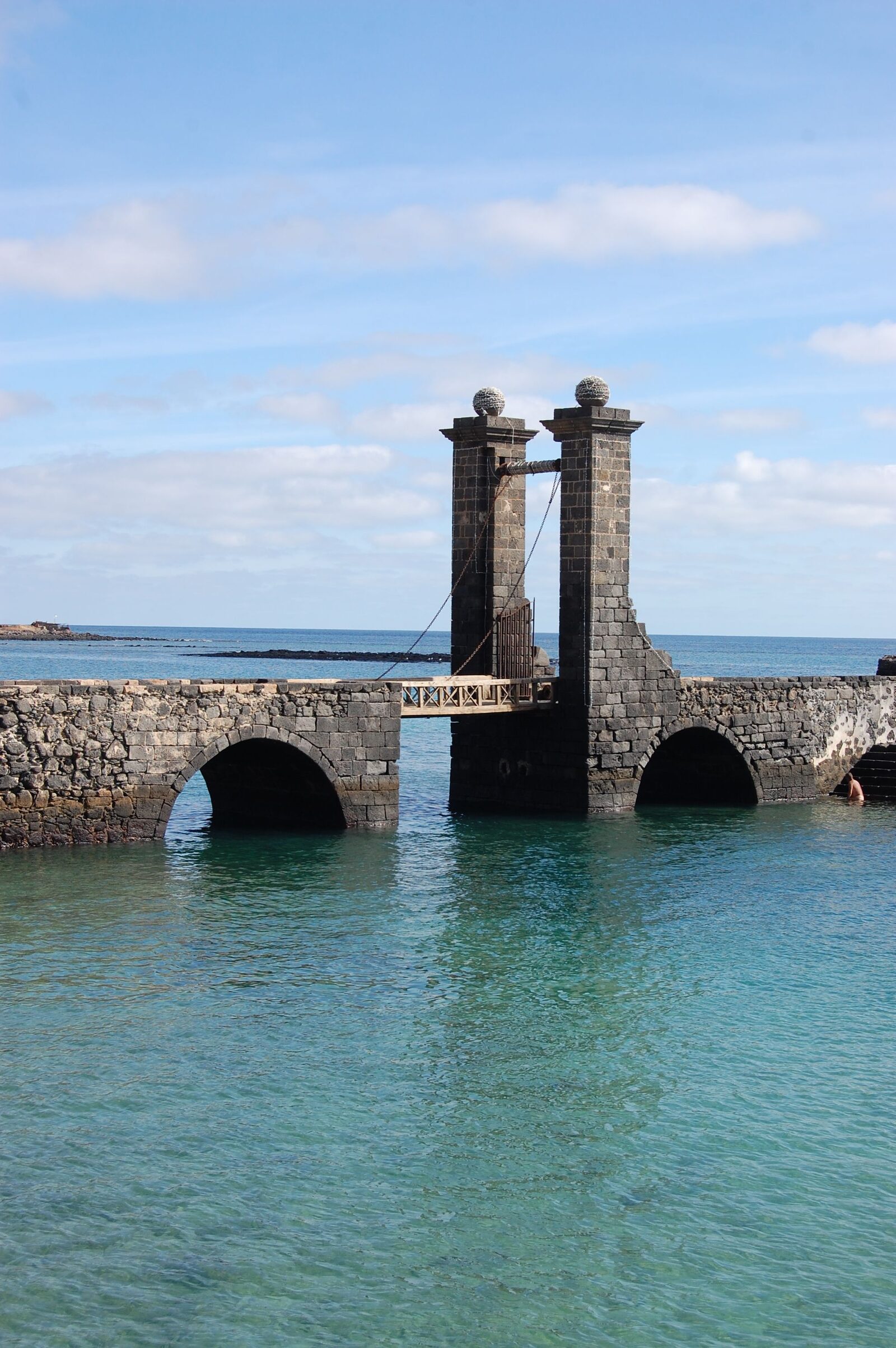
You may be thinking, how are you supposed to get access to the island if you rely on others to build bridges? The answer is that you do have other means of access because you are the owner. Your administrator will know what is meant by 'SSH' access and if you are tech-savvy you will know this is where you log in using a terminal to access a server. If you are not tech-savvy, think of an island on the coast that has no bridge but has a small port you can reach by boat.

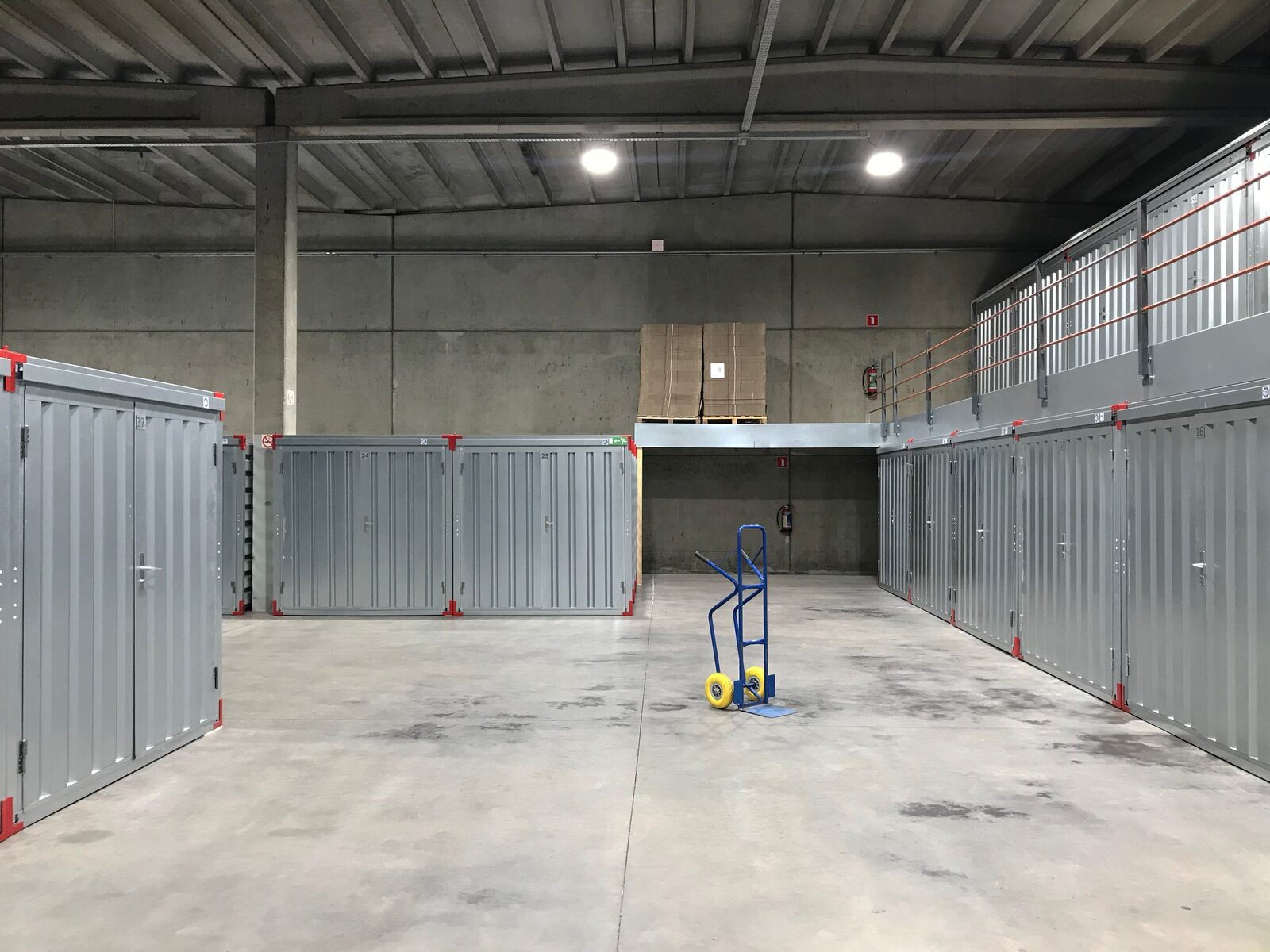
So how does SaaS compare in the same context? Imagine there is no island to store your valuable assets. Instead you take your assets to a large warehouse or industrial estate and pay for them to be stored there. There are many others like you storing their assets in the same place within allotted spaces. These spaces need to be insulated from one another and require round-the-clock maintenance to prevent anything breaching those boundaries. This of course costs money, which is partly what you have to pay for.